The Neighborhood Matters: Different Strategies for Buyers and Renters
When choosing a place to live, it's easy to fall in love with a beautiful kitchen, an open floor plan, or a spacious backyard. But the neighborhood you choose can have just as much impact on your daily life as the home itself.
The key is that buyers and renters often have different priorities. While renters usually focus on convenience and flexibility, buyers should think about how a neighborhood will support their lifestyle for years — or even decades — to come.
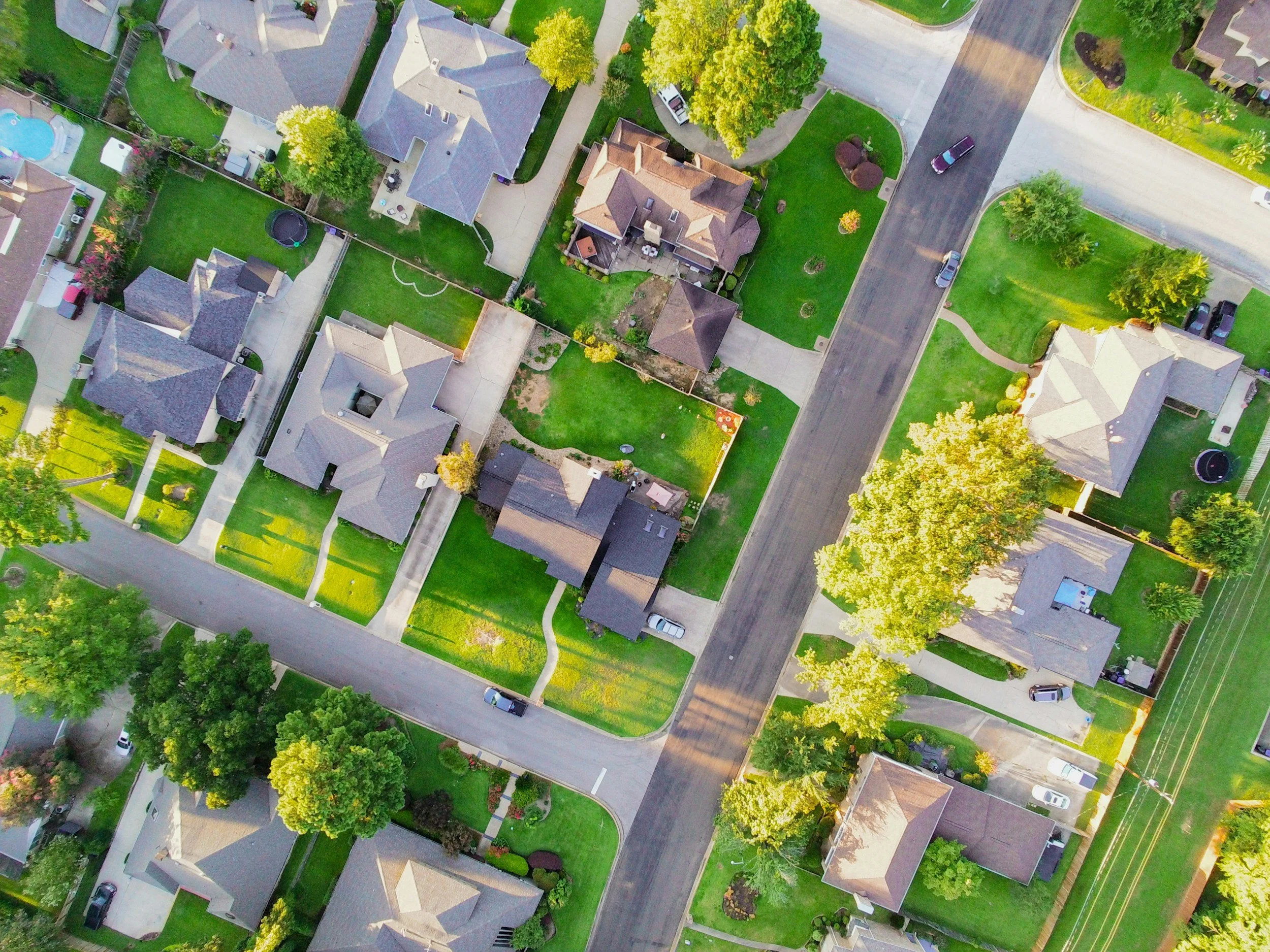
If You're Buying: Choose a Neighborhood That Fits the Life You Want to Build
Buying a home is more than a financial decision. It's choosing the environment where you'll create routines, celebrate milestones, build relationships, and possibly raise a family. Even if you plan to live there forever, the neighborhood deserves just as much attention as the home itself.
Think About Your Everyday Lifestyle
Ask yourself how you'll actually live in the neighborhood—not just on move-in day, but five or ten years from now.
Consider questions like:
Will you enjoy taking evening walks?
Are there parks, trails, or green spaces nearby?
Is it convenient to grocery stores, healthcare, restaurants, and other places you visit regularly?
Does the neighborhood feel peaceful, lively, or somewhere in between—and does that match your lifestyle?
A home may be perfect inside, but if the surrounding area doesn't support your daily routine, your satisfaction may fade over time.
Consider Your Future, Not Just Your Present
Life changes. Your priorities today may not be the same five years from now.
Think about whether the neighborhood can grow with you:
Will you need access to quality schools in the future?
Is there enough space and community for a growing family?
Will aging parents or relatives be able to visit or even live nearby?
If your job changes, will the commute still be manageable?
Choosing a neighborhood that adapts to different stages of life can help you avoid moving sooner than expected.
Get to Know the Community
A neighborhood isn't just streets and houses—it's the people who live there.
Visit the area at different times of day and on weekends. Notice whether neighbors are outside, families are using the parks, or people are walking their dogs. Community events, active neighborhood groups, and well-maintained public spaces often contribute to a stronger sense of belonging.
If you're planning to stay for many years, feeling connected to the community can be just as valuable as having an updated kitchen.
Pay Attention to Safety and Maintenance
Look beyond the listing photos.
Observe how homes are maintained, whether streets are clean, how traffic flows, and how safe you feel walking around during both the day and evening. These factors influence your daily quality of life far more than cosmetic features inside the home.
Understand Long-Term Costs
Homeownership comes with ongoing expenses beyond the mortgage.
If the home is part of an HOA, review the association's rules, fees, and financial health. Also consider property taxes, insurance costs, utility expenses, and future maintenance. Understanding these costs helps ensure the neighborhood fits your budget over the long term.
Appreciation Is Still Worth Considering
Even if you believe this is your forever home, it's wise to consider long-term market stability.
Life can be unpredictable. Job opportunities, family needs, or health changes may eventually require a move. Choosing a neighborhood with steady demand, good schools, and strong community amenities provides flexibility if your plans ever change.
If You're Renting: Prioritize Your Current Lifestyle
Renting offers flexibility, so your neighborhood priorities may look different.
Make Your Daily Routine Easier
Since leases are typically one or two years, focus on what makes everyday life more convenient.
Look for:
A reasonable commute
Easy access to public transportation
Grocery stores and restaurants nearby
Fitness centers and entertainment
Reliable internet service if you work remotely
Match the Neighborhood to Your Current Stage of Life
Whether you're starting a new job, attending school, or simply exploring a new city, renting allows you to choose a neighborhood based on your current needs rather than long-term plans.
You can always move as your lifestyle evolves.
Budget Beyond Monthly Rent
A lower rent doesn't always mean lower living costs.
Compare transportation expenses, parking fees, utility costs, and commuting time. Sometimes paying slightly more for a well-located rental saves both money and time.
Use Renting to Learn an Area
If you're new to a city, renting can be an excellent way to experience different neighborhoods before deciding where to buy.
Living somewhere for a year often teaches you things you can't discover during a weekend of house hunting.
What Both Buyers and Renters Should Look For
Regardless of whether you're buying or renting, these neighborhood qualities matter:
Safety and cleanliness
Convenient access to everyday necessities
Reliable transportation options
Parks and recreational spaces
Noise levels and traffic
Walkability
Community atmosphere
Future development plans that could affect the area
The right neighborhood isn't simply the one with the highest home values or the lowest rent - it's the one that supports the way you want to live.
For buyers, think about whether the neighborhood fits your long-term lifestyle, future plans, and sense of community, while also considering practical factors like costs and market stability.
For renters, prioritize convenience, flexibility, and the features that improve your daily routine today.
After all, a house is where you live, but a neighborhood is where life happens.