Builder Warranties Explained: What New Construction Buyers Should Know
One of the biggest advantages of buying a newly built home is the sense of security that comes with everything being brand new. From modern finishes to updated systems and energy-efficient features, many buyers assume a new construction home means fewer worries after move-in. While that can often be true, no home is completely immune to issues — even brand-new ones. That’s why understanding your builder warranty is so important before closing on a new construction property.
What Is a Builder Warranty?
A builder warranty is a form of protection offered by the homebuilder that covers certain construction-related issues for a specific period of time after the purchase of a newly built home. These warranties are designed to protect homeowners against defects tied to workmanship, materials, and structural components.
The exact terms vary depending on the builder, but most warranties are divided into different coverage periods based on the type of issue involved.
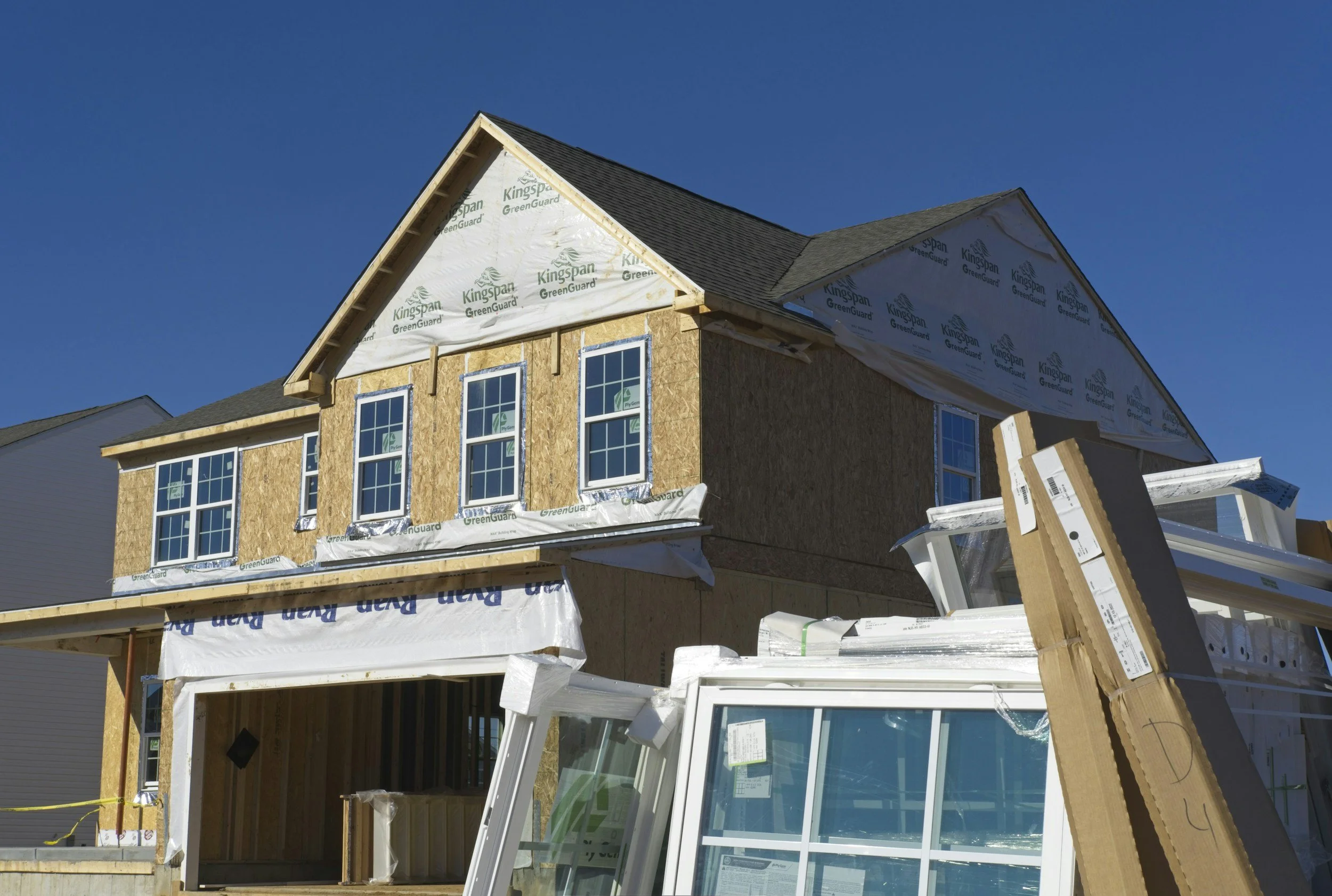
Common Types of Coverage
Most builder warranties generally include coverage for:
Workmanship and cosmetic items for the first year
Mechanical systems such as plumbing, electrical, and HVAC for a longer period
Major structural components for several years after closing
Structural coverage may include serious defects involving the foundation, framing, load-bearing walls, or roofing systems. Meanwhile, shorter-term coverage often applies to items like drywall cracks, flooring issues, doors, trim work, or installation-related concerns.
Because every builder creates their own warranty standards, buyers should always review the specific warranty documents carefully before purchasing.
What Builder Warranties Usually Don’t Cover
A common misconception is that a builder warranty covers every repair needed after moving in. In reality, there are many limitations and exclusions.
Builder warranties typically do not cover:
Normal wear and tear
Homeowner neglect or lack of maintenance
Damage caused by weather, accidents, or misuse
Landscaping and irrigation problems
Cosmetic imperfections considered within construction tolerances
Appliances protected by separate manufacturer warranties
For example, if an appliance stops working, the repair may fall under the appliance manufacturer rather than the builder. Likewise, small cosmetic settling issues may not qualify for repair depending on the builder’s warranty guidelines.
Why Inspections Still Matter for New Homes
Some buyers believe inspections are only necessary for older homes, but inspections are just as important for new construction properties. Even newly built homes can have installation mistakes, overlooked defects, or rushed construction work.
Hiring an independent home inspector before closing — and again before the builder warranty expires — can help identify issues early while repairs may still be covered. This gives homeowners an opportunity to address concerns before warranty deadlines pass.
Builder Warranty vs. Home Warranty
Although the names sound similar, builder warranties and home warranties serve different purposes.
A builder warranty focuses on defects related to construction quality and systems installed during the building process. A home warranty, on the other hand, is a separate service contract that homeowners can purchase to help cover repairs or replacements for appliances and systems due to everyday use.
Many homeowners choose to purchase a home warranty after their builder coverage expires for additional protection.
Tips for Buyers Purchasing New Construction
Before buying a newly built home, it’s a good idea to:
Read the warranty documents thoroughly
Understand all deadlines and claim procedures
Keep records of repairs and communications
Report concerns promptly
Schedule inspections before warranty expiration dates
Ask whether warranty coverage transfers to future owners
Understanding these details upfront can help homeowners avoid confusion later and protect their investment long term.
To sum up, a builder warranty can provide valuable peace of mind for buyers purchasing a new construction home, but it’s important to know exactly what is — and isn’t — covered. Taking the time to review the warranty, ask questions, and stay proactive about inspections can make a major difference in protecting your home after move-in.
Whether you’re considering a new build in McKinney, Frisco, Plano, or anywhere across North Texas, working with an experienced real estate team can help you navigate the process with confidence.